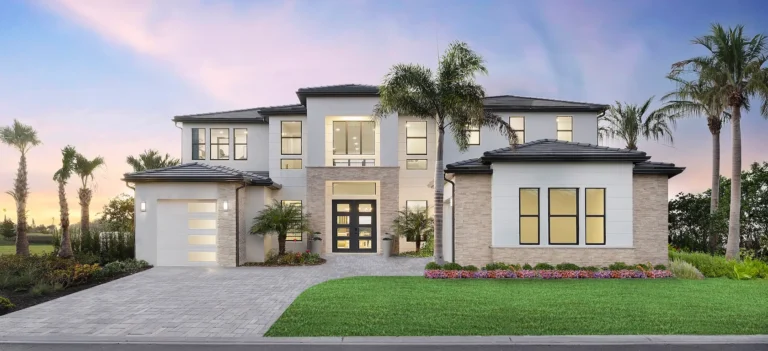
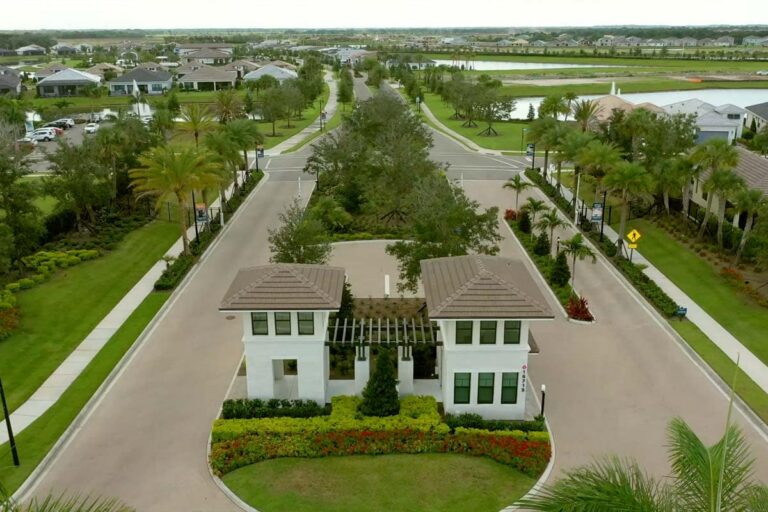
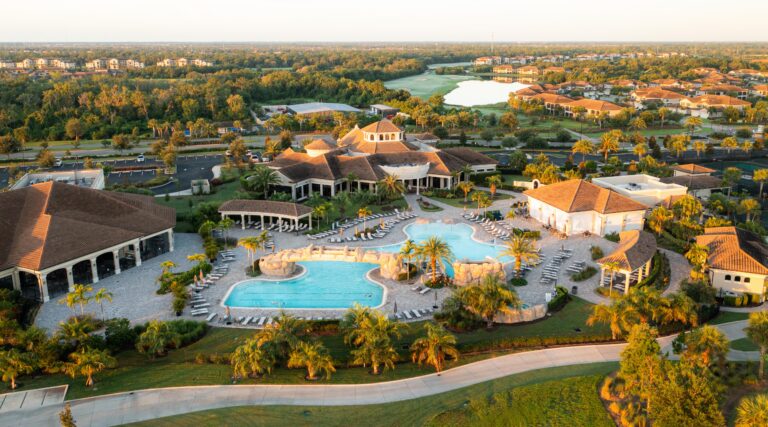
Places in this guide Siesta Key Lakewood Ranch Anna Maria Island Sarasota
Last updated October 2026
Every home in Sarasota and Manatee County has a FEMA flood zone, and you can look it up for any address before you make an offer. The zone tells you whether a lender will require flood insurance, while the home’s elevation and its own claim history tell you far more about the real risk and the real premium. A standard homeowners policy in Florida does not cover flood, so flood coverage is always a separate decision.
I check the flood zone, the elevation certificate, and the insurance picture for every home my clients are serious about, whether it sits on the water on Siesta Key or inland in Lakewood Ranch. This guide explains what I look at and why, so you can ask the right questions from the very first showing.
How to check the flood zone of a specific home
The official flood zone for any Sarasota or Manatee address is on FEMA’s Flood Map Service Center at msc.fema.gov. Type in the street address and the map shows the zone the property sits in, along with the date of the map panel that applies to it.
Sarasota County and Manatee County each have a floodplain management office that answers flood zone questions for addresses in the unincorporated county, and the city offices do the same inside Sarasota, Bradenton, and the other cities. The county office can often tell you whether an elevation certificate for the home is already on file, which can save you time and money. Because maps are revised from time to time, I always confirm the zone on the current panel rather than relying on a listing description.
What the flood zone letters mean for a buyer
Zones that begin with A or V are FEMA’s special flood hazard areas, where a federally backed mortgage requires flood insurance. V zones are coastal areas exposed to wave action, such as parts of the barrier islands. Zone X marks areas of moderate or lower risk, where flood insurance is optional for the lender but still worth pricing.
| Zone | What it means for you |
|---|---|
| VE | Coastal high hazard area with wave action. Flood insurance is required with a federally backed loan, and building rules are the strictest. |
| AE, A, AH, AO | Special flood hazard area. Flood insurance is required with a federally backed loan, and elevation largely sets the price. |
| X | Moderate or minimal risk. Flood insurance is usually optional for the lender, and premiums tend to be lower. |
Being in Zone X does not mean a home cannot flood. FloodSmart, the official site of the National Flood Insurance Program, notes that almost one third of its flood claims come from outside the high-risk areas. That is why I ask about every home’s history, not only its zone.
Why the elevation certificate matters
An elevation certificate is a surveyor’s form that records how high a home’s lowest floor and key equipment sit compared with the expected flood level in its zone. For a home in an A or V zone, it is often the single biggest factor in the flood premium, and a favorable certificate can lower the price considerably.
I ask the seller for the certificate early, and if none exists, I check with the county. When a home has none, a licensed surveyor can prepare one during your inspection period. FloodSmart also lists steps that reduce a premium, such as raising the water heater or the electrical panel above flood level, which are worth discussing with your inspector.
NFIP or private flood insurance
Florida buyers can choose between a National Flood Insurance Program policy and a private flood policy, and either one can satisfy a lender when it meets the lender’s requirements. An NFIP homeowners policy covers up to $250,000 for the building and up to $100,000 for contents, and every NFIP insurer charges the same rate for the same home.
Timing matters as well. A new NFIP policy normally takes effect 30 days after purchase, but there is no waiting period when you buy it in connection with a new mortgage. For a higher-value home, a private policy or an excess flood policy can offer limits above the NFIP caps. Your licensed insurance agent is the right person to compare the two for a specific home, and I am glad to gather the documents they will ask for.
How Citizens Property Insurance and wind coverage fit in
Citizens Property Insurance Corporation is Florida’s state-created insurer, and many Sarasota and Manatee homeowners carry their wind coverage, or their whole homeowners policy, with Citizens. Since January 1, 2024, Citizens has been phasing in a rule that its residential policies with wind coverage must also carry flood insurance.
| Date | Citizens policies that must also carry flood insurance |
|---|---|
| Already in force | Every home in a special flood hazard area (A or V zone) |
| January 1, 2024 | Homes outside those areas insured for $600,000 or more |
| January 1, 2025 | Homes insured for $500,000 or more |
| January 1, 2026 | Homes insured for $400,000 or more |
| January 1, 2027 | All Citizens policies with wind coverage, whatever the value |
In practice, this means that a buyer who expects to insure with Citizens should plan on flood coverage from the start of 2027 even in Zone X. A wind mitigation inspection, which documents the roof, its attachments, and opening protection, can also earn discounts on the wind portion of the premium.
What hurricane season means for your closing
The Atlantic hurricane season runs from June 1 to November 30, and it affects insurance timing more than most buyers expect. When a named storm threatens the area, Florida insurers typically stop writing new policies until it passes, so a closing can wait on coverage.
For that reason, I encourage my clients to secure insurance quotes during the inspection period and to bind coverage well before the closing date, especially from August through October. It is one of the simplest ways to keep a summer or fall closing on schedule.
What sellers must now tell you about flooding
Florida law now requires the seller of a home to give the buyer a written flood disclosure at or before the signing of the contract. Under section 689.302, Florida Statutes, the seller states whether the home has flooded during their ownership, whether they filed a flood insurance claim, and whether they received federal flood assistance, such as from FEMA.
I read that form together with the seller’s property disclosure and the CLUE report of past insurance claims when one is available. If anything in them raises a question, we address it before your inspection period ends, not after.
What I check before you make an offer
Before any of my clients makes an offer, I put together a short risk picture for that specific home. It covers the following points, so the offer reflects the true cost of owning it.
- The current FEMA flood zone and the date of the map panel.
- Whether an elevation certificate exists, and what it shows.
- The age of the roof and the condition of windows and openings, which drive the wind premium.
- The seller’s flood disclosure and any history of claims.
- A homeowners, wind, and flood quote from a licensed agent, so you know the yearly cost before you commit.
I am not an insurance agent, and nothing here is insurance or legal advice. What I offer is a clear set of questions and the documents to answer them, so your insurance agent can quote accurately and your decision rests on facts.
New construction or resale: how the flood picture differs
New homes in Sarasota and Manatee are built under the current Florida Building Code and local floodplain rules, so in a flood zone the lowest floor must be built above the base flood elevation. That often produces a favorable elevation certificate and a lower flood premium than an older home nearby.
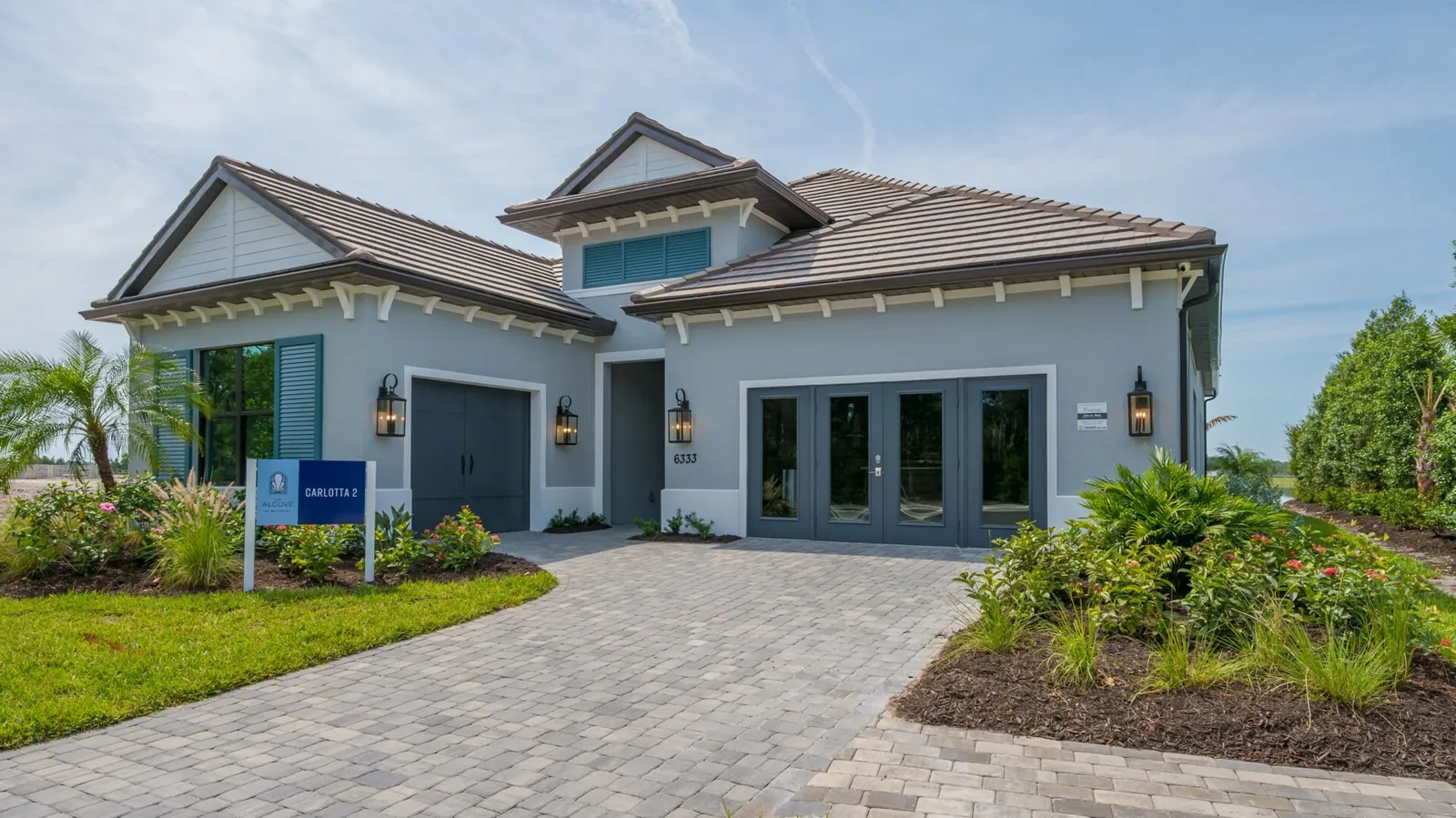
Before I represented buyers and sellers directly, I spent years on the builder side, first with a national builder and then with custom luxury builders. That experience taught me to ask a builder for the elevation certificate for the specific lot, the finished floor height, and how stormwater drains from the homesite. Older resale homes, especially those built before current codes, deserve a closer look at elevation, roof age, and window protection. My guide to new build or resale, coast or inland compares the trade-offs in more detail.
Is the coast or an inland community a safer choice?
Coastal homes on the barrier islands, such as Anna Maria Island and Siesta Key, face storm surge risk that inland homes generally do not, and their insurance usually costs more. Inland communities can still have low-lying lots near lakes, creeks, and preserves, so the specific homesite matters more than the town name.
The coast is a wonderful choice when you make it with clear eyes and good coverage. My aim is simply that you know the zone, the elevation, and the yearly cost before you fall in love with a view. If you would like me to pull this information for a home you are considering, call or text me at (813) 394-3313, and I will gladly walk you through it.
Sources, checked October 19, 2026: FEMA Flood Map Service Center (msc.fema.gov); FloodSmart.gov, the National Flood Insurance Program site, for coverage limits, waiting periods, and claims outside high-risk areas; Citizens Property Insurance Corporation flood requirements; Florida Statutes sections 627.715 and 689.302; NOAA National Hurricane Center for the season dates. Insurance rules change, so please confirm coverage and cost for any home with a licensed insurance agent.
Get new listings first
Tell me the area and price range you are watching, and I will send you new and coming-soon homes the day they appear.
Information deemed reliable but not guaranteed. Janelle Mertins is a licensed real estate agent with Compass.